eylon Cinnamon: The History
Cinnamon is considered one of the oldest spices in the world. As early as 2500 BC, Hindus living in China used it in their food. In Egypt, it was used for embalming and as a medicinal and incense agent. The Romans used cinnamon as medicine, an aphrodisiac, and somewhat later as a spice. In the Middle Ages, cinnamon was used as a remedy for gout. For a long time, merchants kept the origin of cinnamon sticks secret in order to justify their high price.
Origin
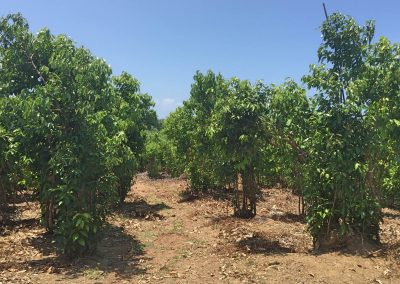
The true cinnamon tree (Cinnamomum zeylanicum Blume) was originally native to Ceylon, present-day Sri Lanka, and southern India. Cassia cinnamon (Cinnamomum cassia lignea) originated in China. Cassia cinnamon can now also be found in Vietnam, Indonesia, and Japan, among other places. Botanically, cinnamon trees belong to the large laurel family (Lauraceae).
The harvest and the name
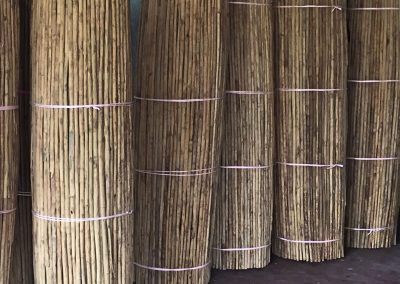
Cinnamon sticks are obtained from the inner bark of the trees. They are removed from the outer bark, scraped, and dried. The thinner the sticks, the lower the tannin content, and the more delicate the flavor. Cinnamon can be harvested every 7-8 months. Cinnamon is also called kanel or canehl (canelle means “little tube” in French). The English word “cinnamon” is derived from the Latin “cinnamum,” meaning “spice plant.” In Sinhalese, cinnamon is called “kurundu.” Sweet cinnamon bark oil is made from the branches and fragments of the tree. Oil is also extracted from the leaves of the cinnamon tree.
What are the benefits of cinnamon?
Today, cinnamon is used to flavor food and drinks. It is also frequently used in the production of perfumes, cosmetics, and scented candles. In many countries, cinnamon is used to treat toothaches, rheumatism, athlete’s foot, and to aid weight loss. Cinnamon oil has antiseptic, circulation-boosting, and antispasmodic properties. It also helps with inflammation and bacterial infections. In Ayurvedic medicine, cinnamon warms the body, has a calming effect, and supports digestion, the respiratory system, and the cardiovascular system. To this day, cinnamon is considered “the poor man’s insulin” in many parts of Asia.
Recipes and atmosphere
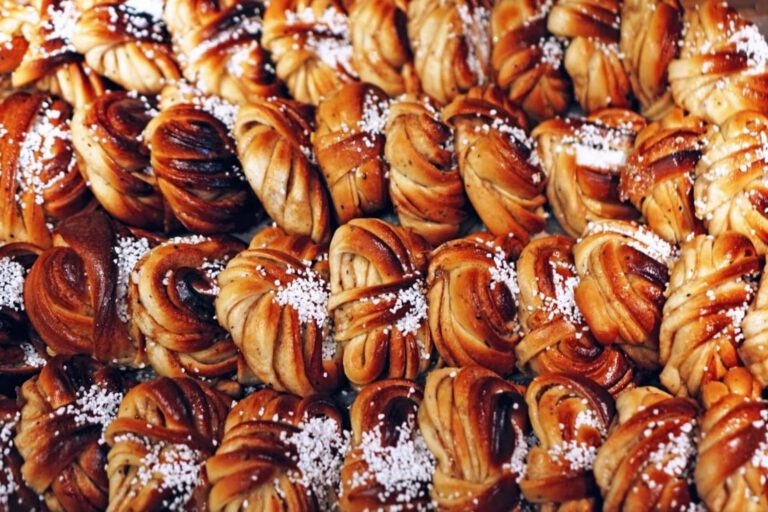
In Europe, cinnamon is very often enjoyed at Christmas. It’s eaten as a powder sprinkled on rice pudding. Cinnamon is used extensively in baking, from cinnamon stars to cinnamon rolls. The scent of cinnamon is also spread throughout homes at Christmas to create a truly festive atmosphere.

 C
C